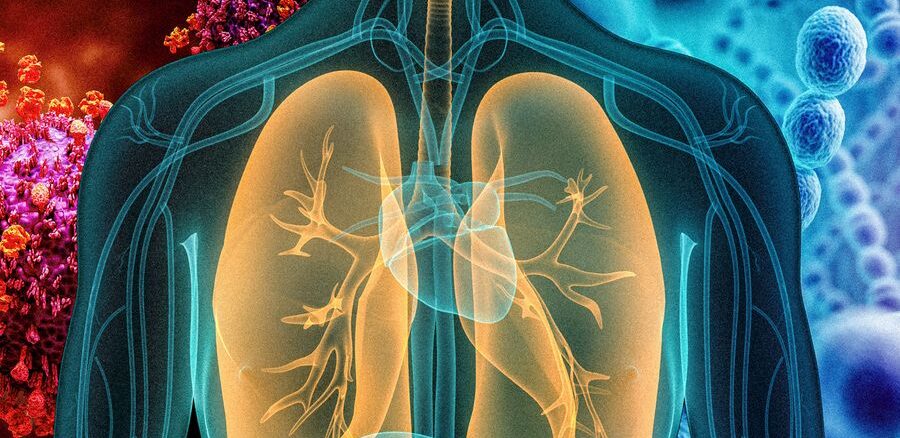
Pneumocystis pneumonia (PCP) is a rare but potentially life-threatening lung infection caused by the fungus Pneumocystis jirovecii. While healthy individuals usually fight off this fungus without complications, immunocompromised patients—such as those with HIV/AIDS, cancer, organ transplant recipients, or patients on long-term steroids—are particularly vulnerable.
Despite its serious nature, PCP often remains underdiagnosed due to subtle early symptoms, making awareness and timely medical intervention critical. At Ohri Hospital, Amritsar, Dr. Pardeep Ohri, a leading chest specialist and pulmonologist, emphasizes the importance of early detection and expert care in managing this condition.
What Causes Pneumocystis Pneumonia?
PCP is caused by the fungus Pneumocystis jirovecii, which lives in the lungs and rarely causes illness in people with a healthy immune system. However, in individuals with weakened immunity, the fungus multiplies and leads to severe lung inflammation.
Risk factors include:
- HIV/AIDS or other immune deficiencies
- Chemotherapy or cancer treatment
- Organ transplant patients on immunosuppressants
- Long-term steroid therapy or immunomodulatory drugs
Symptoms of PCP
PCP develops gradually and may mimic other respiratory illnesses, making it difficult to diagnose early. Common symptoms include:
- Persistent dry cough
- Shortness of breath or rapid breathing
- Low-grade fever
- Fatigue and general weakness
- Chest discomfort or mild pain
- Occasionally, weight loss in chronic cases
In severe cases, patients may experience hypoxia (low oxygen levels), requiring urgent medical attention.
How is PCP Diagnosed?
Early diagnosis is key to preventing complications. Dr. Pardeep Ohri recommends a combination of diagnostic approaches:
- Medical History & Physical Examination – Assessing risk factors and symptoms
- Chest X-ray or HRCT Scan – Detects characteristic lung infiltrates
- Sputum or Bronchoalveolar Lavage (BAL) Tests – Identifies the Pneumocystis organism
- Blood Oxygen Tests – To assess severity and lung function
Treatment Options for PCP
Treatment for PCP typically involves antifungal medications, most commonly trimethoprim-sulfamethoxazole (TMP-SMX). Other approaches include:
- Adjunctive corticosteroids for severe respiratory distress
- Alternative antifungal drugs for patients allergic to TMP-SMX
- Supportive care, including oxygen therapy if needed
At Ohri Hospital, patients receive personalized treatment plans based on their health condition and immune status. Early intervention significantly improves outcomes and reduces the risk of severe complications.
Prevention: Protecting High-Risk Patients
Preventive strategies are essential for immunocompromised individuals:
- Prophylactic antifungal therapy for high-risk patients
- Regular medical check-ups to monitor immune function
- Prompt treatment of other infections to reduce stress on the immune system
- Maintaining overall lung health and hygiene
Why Choose Ohri Hospital for Chest & Lung Care
At Ohri Hospital, Amritsar, Dr. Pardeep Ohri and his expert team provide comprehensive care for PCP and other chest/lung diseases. The hospital combines advanced diagnostics, personalized treatment, and compassionate care to ensure patients receive the best possible outcomes.
Key advantages:
- Experienced chest specialist and pulmonologist
- State-of-the-art diagnostic facilities
- Tailored treatment plans for immunocompromised patients
- Emergency support for critical cases
Final Thoughts
Pneumocystis pneumonia is a hidden threat that requires awareness, early detection, and expert care. If you or your loved ones are at risk due to a weakened immune system, don’t wait for symptoms to worsen. Consult Dr. Pardeep Ohri at Ohri Hospital, Amritsar for professional guidance, diagnosis, and treatment.