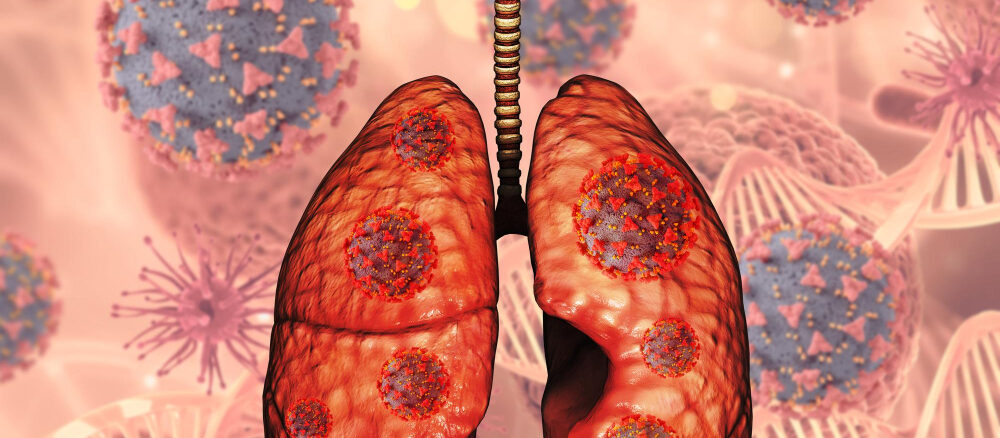
Sarcoidosis is a chronic inflammatory disease that can affect different organs in the body, but it most commonly impacts the lungs and lymph nodes. This condition occurs when small clusters of inflammatory cells, known as granulomas, develop in various organs and interfere with normal function.
Although sarcoidosis can affect anyone, early diagnosis and proper treatment are essential to prevent complications. Specialists at Ohri Hospital help patients manage respiratory diseases through accurate diagnosis and advanced care.
What Is Sarcoidosis?
Sarcoidosis is an immune system disorder where the body’s immune response becomes overactive and causes inflammation in tissues. The inflammation leads to the formation of granulomas, which can affect organs such as:
- Lungs
- Lymph nodes
- Skin
- Eyes
- Heart
In most cases, the lungs are the primary organ affected, making sarcoidosis an important respiratory condition that requires evaluation by a chest specialist.
Symptoms of Sarcoidosis
The symptoms of sarcoidosis vary depending on the organs involved. When the lungs are affected, patients may experience:
Common Lung-Related Symptoms
- Persistent dry cough
- Shortness of breath
- Chest pain or discomfort
- Wheezing
- Fatigue
Other Possible Symptoms
- Swollen lymph nodes
- Skin rashes or red bumps
- Eye irritation or blurred vision
- Fever and night sweats
- Joint pain
Because these symptoms can resemble other lung conditions, proper medical evaluation is necessary for an accurate diagnosis.
Causes and Risk Factors
The exact cause of sarcoidosis is still unknown. However, experts believe it may occur due to a combination of genetic and environmental factors.
Possible risk factors include:
- Overactive immune response
- Exposure to environmental triggers such as dust or chemicals
- Family history of sarcoidosis
- Age between 20 and 40 years
Although sarcoidosis is not contagious, it can affect long-term lung health if not treated properly.
How Sarcoidosis Affects the Lungs
When granulomas form in the lungs, they can cause inflammation and scarring, which may affect breathing. Over time, untreated sarcoidosis may lead to complications such as:
- Pulmonary fibrosis (lung scarring)
- Reduced lung function
- Chronic breathing difficulties
Early diagnosis helps prevent these complications and improves treatment outcomes.
Diagnosis of Sarcoidosis
Diagnosing sarcoidosis requires a detailed medical evaluation and specialized tests. Doctors may recommend:
- Chest X-ray
- CT scan of the lungs
- Pulmonary function tests
- Blood tests
- Biopsy to confirm granulomas
Accurate diagnosis allows specialists to determine the severity of the condition and plan the most appropriate treatment.
Treatment Options for Sarcoidosis
In many cases, sarcoidosis may improve on its own without aggressive treatment. However, when symptoms are severe or lung function is affected, doctors may recommend medical management.
Treatment options may include:
- Anti-inflammatory medications
- Corticosteroids to reduce inflammation
- Immunosuppressive medicines in severe cases
- Regular monitoring of lung function
Early medical care helps manage symptoms and prevent disease progression.
When to See a Chest Specialist
You should consult a chest specialist if you experience:
- Persistent cough lasting more than three weeks
- Unexplained shortness of breath
- Continuous chest discomfort
- Chronic fatigue along with respiratory symptoms
Prompt medical evaluation ensures early detection and better management of lung diseases.
Conclusion
Sarcoidosis is a complex inflammatory disease that can significantly impact lung health if left untreated. Awareness of symptoms and early diagnosis are essential to prevent complications and maintain respiratory health.
At Ohri Hospital, experienced specialists provide comprehensive care and advanced diagnostic services for patients with respiratory conditions, helping them achieve better lung health and improved quality of life.