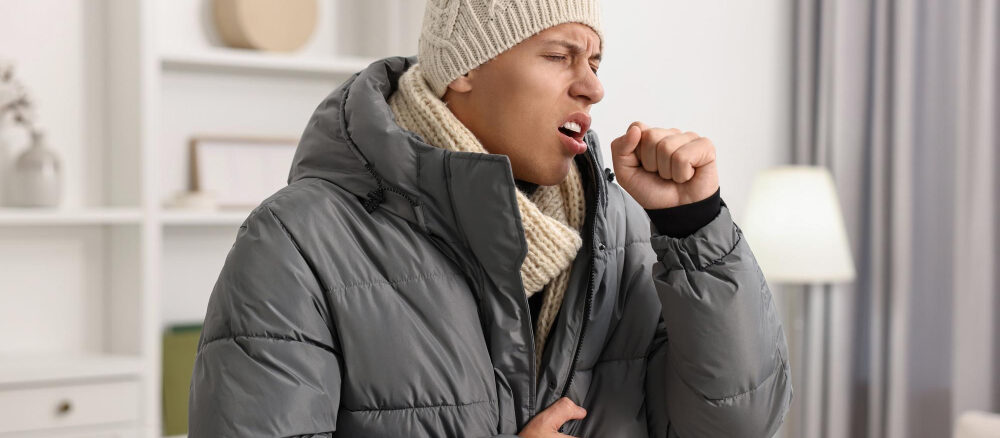
Winter can be a challenging season for people living with asthma. Cold air, changing weather conditions, air pollution and respiratory infections may trigger symptoms or make existing breathing difficulties worse. In Amritsar and other parts of Punjab, winter smog and poor air quality can create additional challenges for people with sensitive airways.
Asthma is a chronic respiratory condition that requires ongoing management. Although symptoms may become more noticeable during winter, appropriate treatment, awareness of personal triggers and regular medical follow-ups can help many people keep their asthma under control.
At Ohri Chest & Critical Care Hospital, Amritsar, patients can seek professional evaluation for respiratory symptoms and guidance on managing conditions such as asthma and other chronic lung diseases.
What Is Asthma?
Asthma is a long-term condition in which the airways become inflamed and sensitive to certain triggers. When exposed to these triggers, the airways may narrow, making it harder for air to move in and out of the lungs.
Common symptoms of asthma include:
- Persistent or recurring coughing, particularly at night or early in the morning
- Wheezing or a whistling sound while breathing
- Shortness of breath during everyday activities or exercise
- Chest tightness or discomfort
- Symptoms that worsen after exposure to cold air, dust, smoke or allergens
Asthma symptoms can vary in frequency and severity. Some people experience occasional episodes, while others require regular medication to prevent symptoms and reduce the risk of asthma attacks. With an appropriate treatment plan, many people with asthma can continue their usual daily activities.
Why Does Asthma Get Worse During Winter?
1. Cold Air Can Irritate Sensitive Airways
Cold, dry air is a recognised trigger for asthma symptoms. When a person with sensitive airways breathes cold air, changes in airway temperature and moisture can contribute to airway narrowing. This may lead to coughing, wheezing, chest tightness or breathlessness.
Symptoms may be more noticeable during early-morning walks, outdoor exercise or prolonged exposure to low temperatures.
To reduce exposure, cover your nose and mouth loosely with a scarf in cold weather and try breathing through your nose. If outdoor exercise triggers symptoms, consider exercising in a more comfortable environment and discuss recurring problems with your doctor.
2. Winter Smog and Air Pollution Can Trigger Symptoms
Air pollution is an important consideration for respiratory health in Punjab. During winter, residents of Amritsar may encounter periods of poor air quality caused by a combination of pollution sources and weather conditions.
Fine particulate matter, smoke and other airborne irritants can aggravate sensitive airways and trigger asthma symptoms. Fog and smog are not the same, so checking the local Air Quality Index (AQI) is more useful than relying on visibility alone.
People with asthma can take practical precautions by monitoring air-quality updates, limiting strenuous outdoor activity when pollution levels are high and avoiding cigarette smoke or the burning of waste. If pollution consistently worsens your symptoms, seek advice from a healthcare professional about managing your exposure.
3. Respiratory Infections May Cause Asthma Flare-Ups
Colds, influenza and other viral respiratory infections can trigger asthma symptoms. These infections may increase airway inflammation and lead to more frequent coughing, wheezing or breathing difficulties.
During winter, it is useful to practise regular handwashing, avoid close contact with people who are unwell and maintain appropriate indoor ventilation. Ask your doctor which seasonal vaccinations are recommended for you.
If a respiratory infection causes your asthma symptoms to worsen, follow your prescribed asthma action plan and seek medical advice when needed. Do not assume that worsening breathlessness or a persistent cough is simply a normal part of winter.
4. Indoor Allergens May Become More Noticeable
People often spend more time indoors during colder months. Depending on the home environment, this can increase exposure to dust mites, mould, pet allergens, smoke and irritating cleaning products.
These triggers can contribute to asthma symptoms in susceptible individuals.
To help maintain a healthier indoor environment, wash bedding regularly, reduce dust accumulation, address dampness and mould, avoid smoking indoors and minimise exposure to strong fragrances or sprays that trigger symptoms.
The most effective approach is to identify your personal asthma triggers rather than trying to eliminate every possible environmental factor.
5. Exercise in Cold Weather May Trigger Breathing Difficulties
Physical activity is beneficial for general health, and asthma does not automatically mean that exercise should be avoided. However, cold air and rapid breathing during strenuous activity may trigger symptoms in some people.
A gradual warm-up, exercising in a suitable environment and following your prescribed asthma management plan can help. If you frequently experience coughing, wheezing or chest tightness during exercise, consult your doctor to assess whether your asthma is adequately controlled.
How Can You Recognise Worsening Asthma Symptoms?
Recognising changes in your usual symptoms can help you seek timely medical advice.
Warning signs may include:
- Coughing more frequently than usual
- Increased wheezing or chest tightness
- Breathlessness during activities that were previously comfortable
- Waking at night because of coughing or breathing difficulties
- Needing your prescribed reliever inhaler more often than usual
These changes may indicate that asthma is not adequately controlled. Similar symptoms can also occur with other respiratory conditions, so a medical assessment may be necessary.
Practical Tips to Manage Asthma During Winter
A consistent asthma management routine can help reduce exposure to triggers and support better symptom control.
Follow your prescribed medication plan. Continue taking your asthma medicines as directed, including prescribed preventer inhalers. Do not stop or change treatment without consulting your healthcare professional.
Check your inhaler technique. Incorrect inhaler use can affect how much medicine reaches the lungs. Ask a qualified healthcare professional to review your technique if you are unsure.
Monitor local air quality. Check AQI updates before outdoor activities, particularly during periods of poor air quality in Amritsar and surrounding areas.
Keep your home free from avoidable irritants. Reduce dust, address dampness and mould, avoid indoor smoking and use cleaning products that do not trigger your symptoms.
Take precautions against respiratory infections. Wash your hands regularly, avoid close contact with people who are ill and discuss recommended vaccinations with your doctor.
Keep your asthma action plan accessible. Know what to do if your symptoms worsen and keep your prescribed reliever medication available as directed.
Attend regular medical reviews. If you experience recurring symptoms, night-time coughing or increased use of reliever medication, arrange a review of your treatment.
These measures can help with asthma management, but they do not replace personalised medical advice or prescribed treatment.
When Should You Consult a Chest Specialist?
Consult a chest specialist if you experience recurring wheezing, persistent coughing, repeated asthma flare-ups or breathlessness that interferes with sleep and daily activities. You should also seek a medical review if your current treatment does not appear to control your symptoms or you need your reliever inhaler more frequently.
A healthcare professional may assess your medical history, examine you and recommend lung-function tests, such as spirometry, when appropriate. The assessment helps determine whether your symptoms are related to asthma or another respiratory condition and whether your management plan needs adjustment.
Severe breathing difficulty is a medical emergency. Seek emergency medical assistance if you cannot speak in full sentences because of breathlessness, your lips appear blue or grey, or your symptoms are rapidly worsening. Follow your emergency asthma action plan while seeking help.
Asthma Care at Ohri Chest & Critical Care Hospital, Amritsar
Winter-related asthma symptoms can affect sleep, physical activity and everyday comfort. Timely evaluation and an appropriate treatment plan can help patients manage their condition and recognise when symptoms require further attention.
Dr. Pardeep Ohri, MD, FCCP, Chest Specialist, is listed on the official hospital website as the Managing Director of Ohri Chest & Critical Care Hospital. The hospital provides care for acute and chronic respiratory diseases and lists an Asthma & COPD Clinic among its facilities.
People experiencing persistent cough, wheezing, chest tightness or breathing difficulties can contact the hospital to enquire about a consultation.
Hospital: Ohri Chest & Critical Care Hospital
Address: G.T. Road, Putli Ghar Chowk, opposite Northern Railway Workshop, Guru Arjun Nagar, Putligarh, Amritsar, Punjab
Phone: 0183-5003250 / +91 98761 19456 / +91 95019 99929
Website: https://ohrihospital.com/
Frequently Asked Questions
Why does asthma get worse in winter?
Cold, dry air can irritate sensitive airways. Respiratory infections, indoor allergens and air pollution may also trigger symptoms or worsen existing asthma.
Can fog and smog worsen asthma in Amritsar?
Air pollution can aggravate asthma symptoms. During periods of poor air quality, people with asthma should monitor local AQI updates and reduce exposure to pollution where possible.
Should I stop using my asthma inhaler when I feel better?
Do not stop or change prescribed asthma medication without consulting your healthcare professional. Some medicines are intended to control airway inflammation even when symptoms are not noticeable.
Can people with asthma exercise during winter?
Many people with well-managed asthma can remain physically active during winter. If cold air or exercise triggers symptoms, consult your doctor about suitable precautions and your treatment plan.
When should I seek emergency help for asthma?
Seek emergency medical assistance for severe or rapidly worsening breathlessness, difficulty speaking because of breathing problems, or blue or grey lips. Do not delay emergency care.
Conclusion
Asthma symptoms can become more difficult to manage during winter because of cold air, respiratory infections, indoor allergens and air pollution. Understanding your personal triggers, taking prescribed medication correctly and attending regular medical reviews can help reduce the risk of flare-ups.
If you experience recurring coughing, wheezing, chest tightness or shortness of breath, seek medical advice rather than ignoring the symptoms. For respiratory concerns in Amritsar, Ohri Chest & Critical Care Hospital offers a setting where patients can seek professional evaluation and guidance on asthma management.