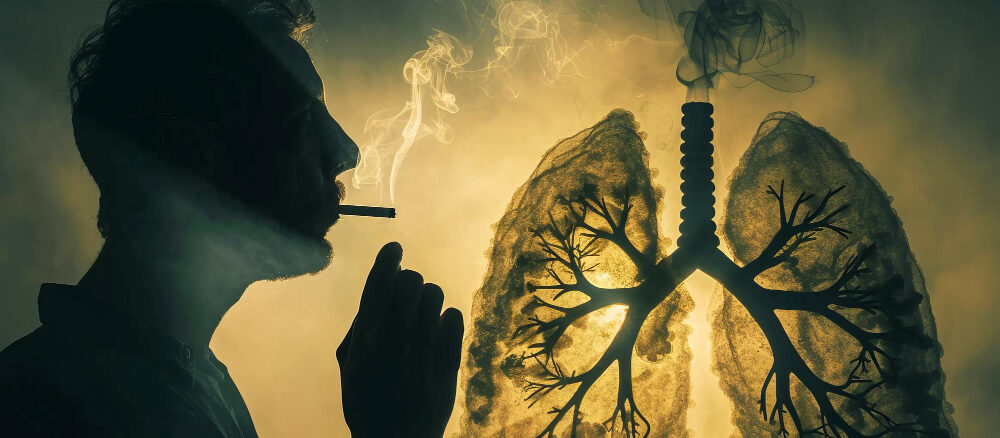
Smoking has long been linked to serious health conditions, but in 2026, the conversation has expanded. With the rise of vaping and e-cigarettes, many people believe they are choosing a “safer alternative.” However, growing medical evidence shows that both smoking and vaping can cause significant lung damage.
At Ohri Hospital, Amritsar, chest specialists are witnessing an increase in patients suffering from smoking-related and vaping-related respiratory issues. Understanding the risks is the first step toward prevention and healthier lungs.
How Smoking Damages, the Lungs
Cigarette smoke contains over 7,000 chemicals, many of which are toxic and carcinogenic. When inhaled regularly, these chemicals:
- Damage lung tissue
- Destroy air sacs (alveoli)
- Reduce oxygen exchange
- Cause chronic inflammation
- Increase mucus production
Over time, this leads to serious conditions such as:
- Chronic Obstructive Pulmonary Disease (COPD)
- Lung cancer
- Chronic bronchitis
- Emphysema
- Persistent cough and breathlessness
Even occasional smoking can begin harming lung cells.
Is Vaping Really Safer in 2026?
Many young adults have shifted to vaping, believing it to be less harmful. While e-cigarettes do not burn tobacco, they still expose lungs to:
- Nicotine
- Heavy metals
- Chemical flavouring agents
- Ultrafine particles
Recent studies show vaping can cause:
- Airway irritation
- Inflammation of lung tissue
- Reduced lung function
- Increased risk of chronic respiratory symptoms
In some cases, severe lung injury associated with vaping has been reported. Long-term effects are still being studied, but early findings are concerning.
The Hidden Dangers of Dual Use
A growing trend in 2026 is “dual use” — people who both smoke cigarettes and vape. This combination significantly increases the risk of:
- Severe lung inflammation
- Faster progression of COPD
- Higher cancer risk
- Increased cardiovascular complications
Switching between the two does not eliminate risk; it may compound it.
Early Signs of Lung Damage You Should Not Ignore
Many individuals delay medical consultation until symptoms become severe. Warning signs include:
- Persistent cough lasting more than 3 weeks
- Breathlessness during mild activity
- Chest tightness
- Frequent chest infections
- Wheezing
- Fatigue due to low oxygen levels
Early diagnosis can prevent irreversible lung damage.
How Smoking & Vaping Affect Young Adults
In 2026, chest specialists are increasingly seeing younger patients with early lung function decline. Nicotine addiction develops quickly, and exposure during young adulthood can:
- Reduce peak lung capacity
- Trigger asthma
- Increase risk of long-term respiratory disease
- Affect heart health
The misconception that vaping is “harmless” is putting many at risk.
Can Lung Damage Be Reversed?
The lungs have some ability to heal — but only if exposure stops early.
After quitting:
- Oxygen levels improve within days
- Lung function begins gradual recovery
- Risk of heart disease drops significantly
- Cancer risk decreases over time
However, advanced COPD or emphysema may cause permanent damage. Early intervention is critical.
When Should You Consult a Chest Specialist?
If you smoke, vape, or have recently quit but experience breathing issues, consult a specialist for:
- Pulmonary Function Test (PFT)
- Chest X-ray or HRCT scan
- Oxygen saturation testing
- Detailed respiratory evaluation
At Ohri Hospital, Amritsar, advanced diagnostic tools help detect lung problems at an early stage, allowing timely treatment and better outcomes.
Preventive Steps for Better Lung Health
Experts recommend:
- Complete cessation of smoking and vaping
- Avoiding second-hand smoke exposure
- Annual lung health check-ups for smokers
- Regular exercise to improve lung capacity
- Maintaining indoor air quality
- Vaccinations to prevent respiratory infections
Professional guidance significantly improves success rates for quitting nicotine.
Final Thoughts
In 2026, the medical consensus is clear — neither smoking nor vaping is safe for your lungs. While vaping may reduce certain toxins compared to cigarettes, it still exposes the lungs to harmful chemicals and long-term risks remain uncertain.
Protecting your respiratory health today can prevent serious complications tomorrow. If you or a loved one experiences breathing difficulties, persistent cough, or chest discomfort, seeking expert consultation is essential.
Healthy lungs are vital for a healthy life — and prevention always begins with awareness.